
Business
8 Tax Hacks You May Not Know About


Tax season doesn’t have to be the dreaded annual event most people make it out to be. Sure, the tax code can feel like it was written in a language designed specifically to confuse you, but here’s the thing, buried within all that complexity are some genuinely useful provisions that can save you serious money. Most folks stick to what they know: the standard deduction, maybe a few common credits, and they call it a day. But what if you could do better? What if there were strategies sitting right under your nose that could dramatically reduce what you owe? Whether you’re grinding away in a home office, running your own business, or just collecting a regular paycheck, these eight tax hacks can help you keep more of your hard-earned cash while staying completely above board with the IRS.
Maximizing Home Office Deductions beyond the Basics
The home office deduction has gotten a lot more attention since everyone started working from their kitchen tables, yet so many people either skip it entirely or barely scratch the surface of what’s possible. Here’s what the IRS actually allows: if you’re self, employed or, in certain situations, an employee with a workspace that’s used exclusively and regularly for business, you can deduct related expenses. Most people know about the simplified method, five bucks per square foot for up to three hundred square feet, but that’s just the beginning. When you dig into the actual expense method, things get interesting.
Strategic Timing of Income and Expenses
Here’s a strategy that sounds almost too simple to work, but it’s completely legitimate and surprisingly powerful: controlling when your income shows up on paper and when you pay your bills. If you’re like most individuals or small business owners operating on a cash basis, you’ve got real flexibility here. Think about it this way, if you’re planning to retire next year or cut back your hours, you’ll probably be in a lower tax bracket. Why not delay some December income until January and accelerate your deductible expenses into December? You’d save money right now.
Harvesting Investment Losses for Tax Benefits
If you’ve got investments in taxable accounts, tax-loss harvesting is one of those strategies that can feel almost like a loophole, but it’s completely legitimate and can save you thousands. The concept is straightforward: when you sell investments that have lost value, you can use those losses to offset any gains from your winners. If your losses exceed your gains, you can deduct up to three thousand dollars against your regular income each year, and whatever’s left over carries forward to future years. The trick is selling those losers before year-end while avoiding the wash-sale rule, which says you can’t claim the loss if you buy back the same or a substantially identical security within thirty days on either side of the sale.
Leveraging Retirement Account Opportunities
Most people think they’ve maxed out their retirement savings strategy once they’re contributing to their 401(k), but there’s a whole world of options beyond that basic setup. Take the backdoor Roth IRA, for instance. If you’re a high earner who makes too much to contribute directly to a Roth, you can make a non, deductible contribution to a traditional IRA and then immediately convert it to a Roth. You end up with the same tax-free growth despite technically being locked out due to income limits.
Understanding Property Tax Benefits and Assessment Strategies
Owning property comes with more tax advantages than just deducting your mortgage interest, though that’s where most homeowners stop thinking about it. Here’s something many people don’t realize: those property tax assessments aren’t set in stone. If your home’s assessed value doesn’t match what it’s actually worth in today’s market, you can challenge it, and potentially cut your annual tax bills for years. The appeals process differs depending on where you live, but it usually involves pulling together comparable sales data or getting a professional appraisal to prove your property’s been overvalued. Beyond fighting assessments, make absolutely sure you’re claiming every exemption you’re entitled to. Homestead exemptions can knock a significant chunk off your assessed value. For homeowners looking to squeeze every available dollar from their property tax situation, understanding local programs like the hildago county homestead exemption helps ensure you’re not leaving benefits on the table. Don’t overlook senior citizen exemptions once you reach the qualifying age, disability exemptions if you’re eligible, or veteran exemptions that in some cases eliminate property taxes completely for disabled vets. Made some energy-efficient improvements to your home? Federal tax credits can cover up to thirty percent of costs for solar panels, solar water heaters, geothermal heat pumps, and small wind turbines, some with no lifetime cap. Many states and localities throw in additional incentives, rebates, or property tax breaks for energy upgrades. If you itemize, remember that state and local taxes including property taxes are deductible up to ten thousand dollars, and the timing of when you actually pay those taxes can help maximize the deduction if you’re hovering near that threshold.
Capitalizing on Education Tax Benefits
Education expenses open up multiple tax-saving opportunities that families consistently underuse, often because they don’t fully understand what’s available. The American Opportunity Tax Credit is worth up to twenty-five hundred dollars per eligible student for the first four years of college, and here’s the kicker, forty percent of it is refundable even if you don’t owe any tax. That means you could literally get a thousand-dollar check from the IRS. The Lifetime Learning Credit offers up to two thousand dollars per tax return for any postsecondary education or job skills courses, and unlike the American Opportunity Credit, there’s no limit on how many years you can claim it.
Navigating Charitable Contribution Strategies
Charitable giving can deliver substantial tax benefits while supporting causes that matter to you, though the rules have gotten trickier since the standard deduction jumped up significantly. For many taxpayers, itemizing just doesn’t make mathematical sense anymore, but there’s a workaround called bunching. Instead of giving the same amount every year, you concentrate multiple years’ worth of donations into a single year to push past the standard deduction threshold, then you take the standard deduction in the off years. Donor-advised funds make this strategy even smoother: you dump a large contribution into the fund in one year, grab the immediate tax deduction, and then recommend grants to your favorite charities over time whenever you feel like it.
Conclusion
These eight strategies barely scratch the surface of what’s actually possible when you take a proactive approach to your taxes instead of just reacting when April rolls around. The people who consistently minimize their tax bills share one trait: they engage with tax planning throughout the entire year, not just during the frantic weeks before the filing deadline. Some of these techniques might seem complex at first glance, and that’s fair, but when you consider the potential savings, spending a bit of time understanding them or working with a qualified tax professional often pays for itself many times over. Keep in mind that tax laws aren’t static; they change regularly, so staying informed and reviewing your strategy annually ensures you’re not missing newly available benefits.
Read More Texas Times


A home is more than just a physical space—it is a reflection of your lifestyle, your aspirations, and the way you want to experience everyday life. In today’s fast-paced world, people are not only searching for shelter but for a sense of identity and comfort within their living environment.
A Home That Reflects Your Personality
Choosing a home is often about finding a place that matches who you are.
Chuan Grove Residences appeals to those who value peace, privacy, and a more grounded way of living. It reflects a personality that enjoys calm mornings, quiet evenings, and a balanced routine away from constant noise and pressure.
Dover Residence, however, reflects a more dynamic and energetic personality. It suits individuals who thrive in a connected environment, enjoy being close to opportunities, and prefer a lifestyle that is always in motion.
Both developments allow residents to express their identity through their living environment.
The Emotional Side of Homeownership
Beyond design and location, homeownership is deeply emotional. It is about feeling safe, comfortable, and truly at ease.
At Chuan Grove Residences, the emotional experience is shaped by its serene surroundings and thoughtfully designed spaces. It creates a sense of retreat where residents can recharge and reconnect with themselves.
At Dover Residence, the emotional appeal comes from convenience and accessibility. Knowing that everything you need is within reach creates a sense of control and ease in daily life.
These emotional connections play a key role in long-term satisfaction.
Creating Everyday Moments That Matter
Life is made up of small moments, and a good home enhances each of them.
At Chuan Grove Residences, everyday life might include quiet walks, relaxed evenings, and peaceful weekends surrounded by greenery. These simple experiences contribute to a slower, more meaningful lifestyle.
At Dover Residence, daily life is more active. Quick commutes, easy access to entertainment, and a vibrant surrounding environment create a lifestyle filled with movement and opportunity.
Both experiences are valuable, depending on what brings fulfillment to the resident.
Comfort Designed Into Every Detail
Modern homes are expected to offer more than just visual appeal—they must provide lasting comfort.
Chuan Grove Residences focuses on spacious layouts and natural light, creating an atmosphere that feels open and refreshing. The design supports relaxation and mental well-being.
Dover Residence emphasizes smart space utilization and practical layouts. Every corner is designed to serve a purpose, making life more efficient without sacrificing comfort.
This attention to detail ensures that both developments meet the expectations of modern homeowners.
A Sense of Belonging
A truly great home also provides a sense of community and belonging.
Chuan Grove Residences fosters a quieter, more intimate community atmosphere. It is ideal for those who appreciate privacy while still feeling connected to a respectful neighborhood.
Dover Residence creates a more vibrant community setting where interaction is natural and frequent. Shared spaces and urban energy encourage residents to engage and connect with one another.
Both environments support meaningful social experiences in different ways.
Lifestyle Flexibility for Modern Living
Today’s homeowners need flexibility more than ever before.
Chuan Grove Residences offers a lifestyle that adapts to relaxation, remote work, and family-focused living. It provides the calm environment needed to maintain balance in a busy world.
Dover Residence supports a flexible urban lifestyle where work, social life, and convenience all come together seamlessly. It is ideal for those who value efficiency and constant connectivity.
This flexibility makes both developments highly relevant in today’s world.
Long-Term Emotional Value
A home’s value is not just financial—it is also emotional. How a place makes you feel over time is just as important as its market price.
Chuan Grove Residences delivers long-term emotional value through its peaceful and comforting environment. It becomes a place of stability and relaxation.
Dover Residence provides emotional value through its energy and accessibility, ensuring residents always feel connected to opportunities and city life.
Both contribute to a fulfilling long-term living experience.
Choosing the Right Lifestyle
The decision between these two developments ultimately comes down to lifestyle preference.
- Chuan Grove Residences is ideal for those who seek calmness, space, and emotional balance.
- Dover Residence is perfect for those who prefer activity, connectivity, and urban convenience.
Neither is better than the other—they simply represent different versions of modern living.
Conclusion
In today’s world, a home is no longer just a place to stay—it is a foundation for the life you want to build. It shapes your routines, your comfort, and your overall happiness.
Both developments represent modern living at its finest, giving homeowners the opportunity to choose a lifestyle that truly reflects who they are and how they want to live.

As a pilot, ensuring the readiness of your aircraft does not only involve two simple pre-flight checks before a flight. Aircraft readiness is about being systematic and having a multifaceted approach that adopts constant maintenance, safety checks and the necessary log keeping. Such routine checks will not only make your aircraft safe and ready to fly but will also take the stress out of every trip you take. This article will explain the five easy steps to airplane readiness and how these small routine checks will prevent massive problems later and enhance your flight safety.
- Pre-Flight Inspection
The first thing you can do in preparation for your aircraft to fly is a pre-flight inspection. This is the duty of the day and should begin with this first. An inspection of the airplane exterior will provide you with the possibility of identifying any apparent damage or leaks. Check control surfaces to ensure that they are not being jammed or broken. Fuel and oil levels should also be noted. Take them back to the minimum required to make the flight safe. A clue to take is that all the lights and signals should be functional to make sure that you become visible to others and that you will respond quickly in case of an emergency.
- Engine and Systems Check
An engine and system check is crucial after pre-flight inspection. This check gives the much-needed information about the engine’s performance and also about the condition of the entire aircraft. Once you start the engine, be very attentive to sound. Any strange or new sounds can be an alarming sign. Make use of the gauges to check whether fuel flow and temperature readings fall within the safe range. It is good practice to monitor battery levels very closely. You can easily try BA1500 battery products from a reliable source that increases performance and increases efficiency. These options can benefit the system’s performance over longer flights.
- Flight Instruments Review
Handling your equipment is vital to your safety during the flight and should not be neglected. Examine navigation systems at the beginning of the process. Get them to pass the pre-flight check and they should not fail you in mid-air. Use the altimeter and compass to check for correct and precise flight information. GPS can be your lifesaver in case you fly in unfamiliar places. Before leaving the earth, be sure that your communication radios are geared up and connected so that you can contact others in the air. Autopilot must be functioning as set, so you should make a test. Check out extra backup systems that can prove to be useful should the main ones fail.
- Safety Equipment Verification
Even though flying an aircraft is very exhilarating, it can also be a threat to life. It is a great thing that flying vehicles are designed with safety mechanisms. Test fire extinguishers to be sure that they are operating. Emergency beacons can help, so take time to check them, and also the oxygen masks and pressure. Review the survival gear as the last thing. Ensure each piece of equipment is able to do its work in case anything goes wrong. Ensure that you make use of every opportunity to familiarize yourself with the location of this equipment and what to do in case it arises. A safety equipment check is your best game plan to counter simple and more complex problems while you fly.
- Documentation and Logs
Although flying is more of a practical activity, it is also largely reliant on paperwork. Pre-flight inspection of paperwork will also help you in forming a more accurate idea of the structure of your airplane and its history. The inspection of the logs on maintenance will help to see the repairs and inspections performed in the recent past; be sure that the oil readings and first-aid kits are not forgotten since they can save lives. Planes are soon enough outlawed due to a lack of an effective airworthiness certificate and a lack of up-to-date insurance documentation. Logs of flight hours and fuel are important for future flying plans.
Conclusion
Maintenance of your aircraft means more than just letting it run; it is a matter of assurances and properly planned maintenance. There is a need to conduct systematic checks; the five steps that are addressed in this paper are essential. Paperwork, pre-flight inspection, system inspection, instrument inspection, safety inspection, and proper documentation are measures that will ensure you are safe and be able to make your airplane dependable. Deviating from these checks even for once cannot mean a big deal, but the consistency can save your life someday.
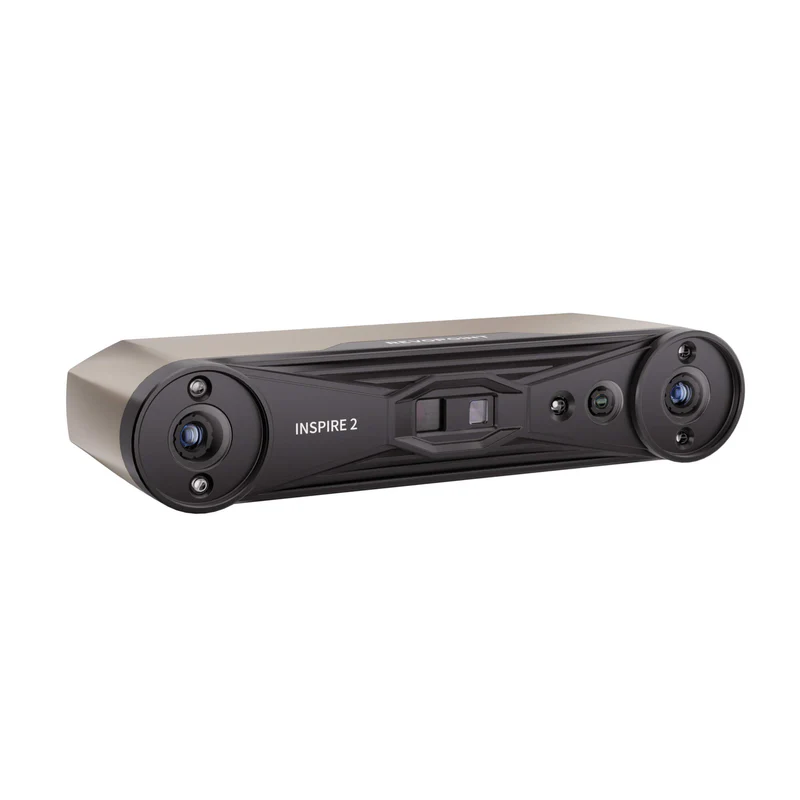
Product development has come a long way in recent years. Engineers, designers, and manufacturers are no longer limited to manual measurements and trial-and-error prototyping. Today, advanced technologies like the 3d laser scanner are transforming how products are designed, tested, and brought to market.
By capturing real-world objects with incredible precision, 3D laser scanners allow creators to generate detailed digital models. These models can then be refined, analyzed, and prepared for production, reducing errors and saving time. Whether for industrial parts, consumer products, or creative prototypes, this technology has opened up new possibilities in product development.
What Is a 3D Laser Scanner?
A 3d laser scanner is a device that uses laser light to measure the shape of an object. The scanner projects a laser onto the surface and detects how it reflects back. This data is then used to calculate thousands of points across the object’s surface, forming a highly accurate digital representation known as a point cloud.
Once processed, this data becomes a 3D mesh that can be exported to CAD software or 3D printing platforms. Compared to traditional measurement tools, a 3D scanner captures far more information, including subtle curves, surface textures, and fine details that might be missed manually.
How 3D Scanning Enhances Product Development
In product development, speed and accuracy are critical. Manually measuring and modeling complex parts can be time-consuming and prone to errors. A 3d scanner simplifies this process by digitizing real-world objects quickly.
For example, designers can scan a prototype, refine it digitally, and test modifications before producing a final version. This workflow reduces the risk of errors and allows for rapid iteration, which is especially valuable when developing intricate or custom products.
By integrating scanning technology, teams can:
- Accelerate design iterations
- Minimize measurement errors
- Capture complex shapes accurately
- Facilitate collaboration between design and manufacturing teams
Applications Across Industries
The versatility of 3D laser scanning makes it valuable in many sectors:
- Product Design and Prototyping: Designers can scan early prototypes and refine their shapes digitally, ensuring a better fit and functionality before production.
- Reverse Engineering: Engineers can recreate parts without existing design files by scanning the original component and generating an accurate digital model.
- Quality Control: Scanners help detect deviations between a manufactured part and its design specifications, improving overall product quality.
- Consumer Products and Customization: Businesses can offer personalized items by scanning objects and creating customized digital models for 3D printing.
- Education and Research: Students and researchers can learn about product development and 3D design using real-world objects as digital models.
A 3d laser scanner thus provides a practical bridge between physical objects and digital workflows, making product development faster, smarter, and more precise.
Advantages of Modern 3D Laser Scanners
Modern 3D laser scanners offer several key benefits:
- High Accuracy: Capture intricate details that manual measurements may miss.
- Speed: Scanning takes minutes instead of hours, even for complex objects.
- Flexibility: Handheld or portable scanners can capture objects in various environments.
- Software Integration: Seamlessly works with CAD software, 3D printing platforms, and mesh editing tools.
- Ease of Use: User-friendly interfaces reduce the learning curve, making advanced scanning accessible to professionals and hobbyists alike.
By combining these features, a 3d scanner improves the efficiency of product development while enhancing the quality and precision of digital models.
Revopoint: Bringing High-Quality Scanning to Everyone
Companies like Revopoint are making professional-grade scanning technology more accessible. At Revopoint, users can find advanced 3D scanners that balance portability, precision, and usability.
Revopoint scanners are recognized for:
- High-resolution scanning for capturing fine details
- Lightweight handheld designs for flexible usage
- Real-time tracking to minimize errors
- Compatibility with CAD software and 3D printing platforms
These features make Revopoint an ideal choice for anyone looking to integrate a 3d laser scanner into their product development workflow.
Tips for Getting the Best Results
To maximize scanning accuracy and efficiency, consider the following tips:
- Ensure Proper Lighting: Good lighting reduces noise in the scan.
- Keep Objects Stable: Prevent movement during scanning to avoid distortions.
- Scan from Multiple Angles: Capture every surface for a complete digital model.
- Post-Process the Scan: Use software tools to clean and optimize the mesh before exporting.
Following these steps ensures that scanned objects translate into highly accurate and ready-to-use digital models.
Final Thoughts
The rise of 3d laser scanner technology is transforming product development across industries. By digitizing real-world objects with precision and speed, it allows designers, engineers, and manufacturers to create better products faster.
Whether for prototyping, reverse engineering, quality control, or customization, a 3d scanner bridges the gap between physical objects and digital design workflows. Tools from companies like Revopoint make this technology accessible, reliable, and efficient, helping creators unlock new possibilities in product development.
With the combination of portability, high resolution, and intuitive software, modern 3D scanning ensures that product ideas can move seamlessly from concept to digital model and finally into reality.

Download YouTube Playlists: Best Tools, Methods & What You Must Know

The Epic Showdown: Lucknow Super Giants vs Mumbai Indians Timeline

A Comparison of Germany and France National Football Team Stats

The Untold Truth of Harlene Rosen: Woody Allen’s Early Love Story

Who Is Atsuko Remar?: The Untold Life of James Remar’s Wife
