
Life Style
The Importance of Professional Plumbing Services for Homes and Businesses

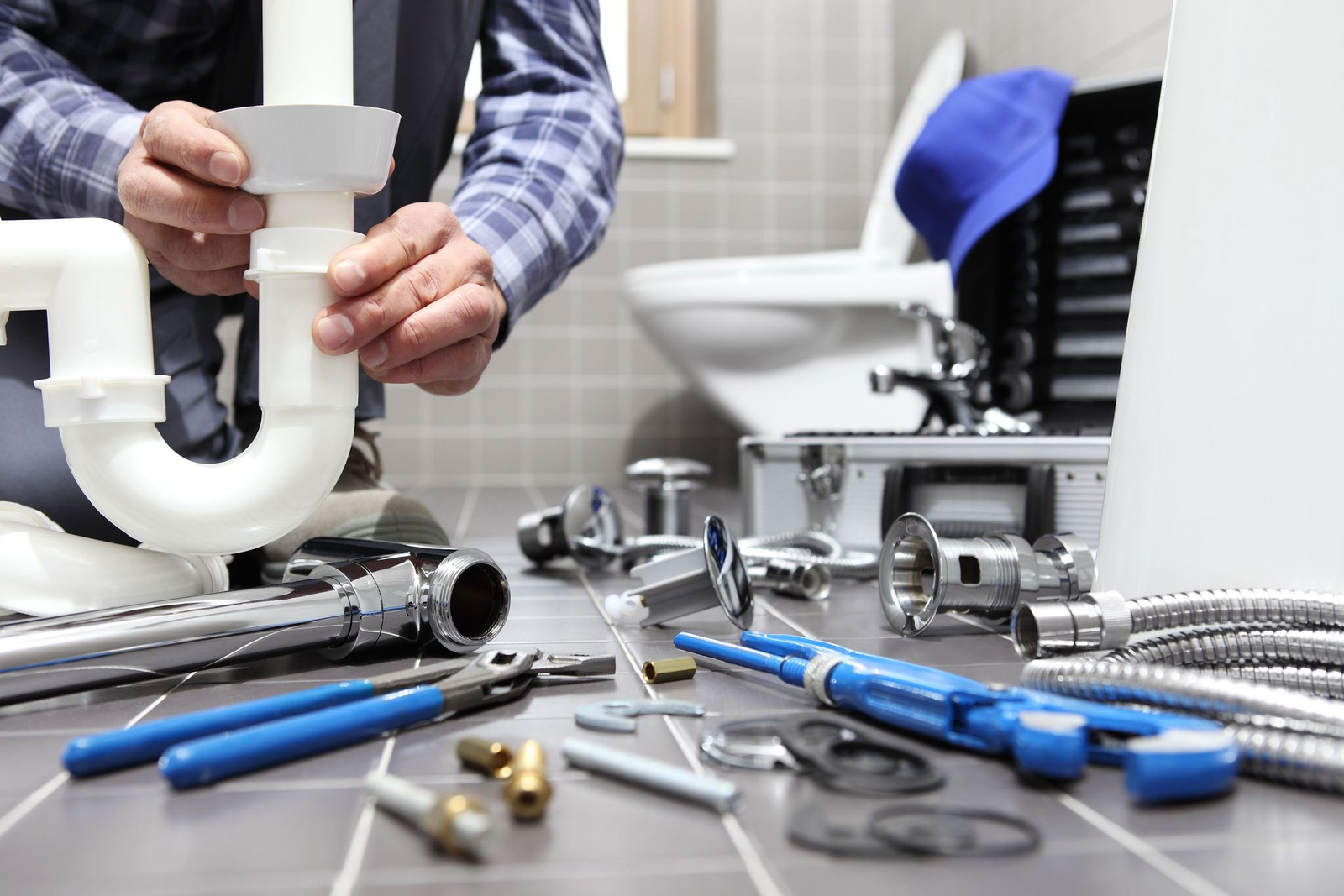
Plumbing is one of the most essential systems in any property. Whether it is a residential home, commercial building, retail space, or industrial facility, a properly functioning plumbing system ensures comfort, hygiene, and efficiency. From delivering clean water to safely removing wastewater, plumbing plays a critical role in everyday life. While many people only think about plumbing when a problem occurs, regular maintenance and professional assistance are key to preventing costly repairs and disruptions.
Modern plumbing systems are more complex than ever before. Advances in technology, changing building regulations, and increased expectations for energy efficiency mean that professional expertise is often required to ensure systems operate effectively. Understanding the value of professional plumbing services can help property owners make informed decisions and protect their investments for years to come.
Understanding the Role of Professional Plumbers
Professional plumbers are trained specialists who install, repair, maintain, and inspect water systems, drainage networks, heating equipment, and various fixtures. Their expertise extends beyond fixing leaks and unclogging drains. They understand water pressure, pipe materials, safety regulations, and efficient system design.
A qualified plumber can identify underlying issues before they become major problems. For example, a small leak hidden behind a wall may seem insignificant initially, but over time it can cause structural damage, mould growth, and increased water bills. Professional inspections can detect such issues early, saving property owners significant expenses.
Plumbers also play a crucial role in ensuring that installations comply with local building regulations. Compliance not only ensures safety but can also prevent legal complications and insurance issues in the future.
Common Plumbing Problems in Residential Properties
Homeowners encounter a wide range of plumbing issues throughout the lifespan of a property. Some of the most common include:
Leaking Faucets and Fixtures
A dripping tap may appear harmless, but even a slow leak can waste thousands of litres of water annually. Besides increasing utility costs, persistent leaks can lead to water stains and fixture deterioration.
Blocked Drains
Kitchen sinks, bathroom drains, and toilets are all susceptible to blockages. Grease, soap residue, hair, food particles, and foreign objects can gradually accumulate, restricting water flow and causing unpleasant odours.
Low Water Pressure
Reduced water pressure can make everyday tasks frustrating. The cause may range from mineral buildup inside pipes to hidden leaks or issues with the municipal water supply.
Running Toilets
A continuously running toilet wastes significant amounts of water and often indicates a malfunctioning internal component. Timely repairs can prevent excessive water consumption and higher bills.
Pipe Corrosion
Older properties often contain ageing pipework that may corrode over time. Corroded pipes can affect water quality, reduce pressure, and increase the risk of leaks or bursts.
The Benefits of Preventive Plumbing Maintenance
Preventive maintenance is one of the most effective ways to avoid unexpected plumbing emergencies. Regular inspections allow professionals to assess the condition of pipes, valves, water heaters, and fixtures before failures occur.
Routine maintenance can help identify wear and tear, improve system efficiency, and extend the lifespan of plumbing infrastructure. Property owners who invest in preventive care often experience fewer emergencies and lower long-term repair costs.
Maintenance services may include drain cleaning, leak detection, pressure testing, water heater servicing, and pipe inspections. These proactive measures provide peace of mind and help ensure uninterrupted operation.
Plumbing Emergencies and Rapid Response
Plumbing emergencies can occur at any time and often require immediate attention. Burst pipes, severe leaks, overflowing toilets, and water heater failures can cause extensive property damage within a short period.
Rapid response is critical during emergencies. Professional plumbers possess the tools and expertise necessary to quickly diagnose problems, isolate damaged components, and implement effective repairs.
Prompt action can minimise water damage, reduce restoration costs, and restore normal functionality as quickly as possible. This is particularly important for businesses where downtime can result in lost revenue and customer dissatisfaction.
Choosing the Right Plumbing Professional
Selecting a reliable plumber is an important decision. Property owners should consider factors such as qualifications, experience, reputation, and customer reviews.
A trusted leicester plumber can provide comprehensive services tailored to the specific needs of local homes and businesses. Local professionals often have a deeper understanding of regional building regulations, common plumbing challenges, and environmental factors that may affect plumbing systems.
When evaluating potential service providers, it is advisable to request references, verify certifications, and obtain detailed estimates. Transparent communication and a commitment to quality workmanship are indicators of a reputable professional.
Plumbing Solutions for Commercial Properties
Commercial plumbing systems are generally larger and more complex than residential systems. Restaurants, offices, hotels, healthcare facilities, and retail establishments all have unique plumbing requirements.
Commercial properties often rely on high-capacity water systems, multiple washrooms, specialised drainage solutions, and advanced heating equipment. Any disruption can affect employees, customers, and business operations.
Professional commercial plumbers provide services such as system design, installation, maintenance, repairs, and compliance inspections. Their expertise ensures that businesses can maintain efficient operations while meeting health and safety standards.
The Importance of Water Efficiency
Water conservation has become increasingly important due to environmental concerns and rising utility costs. Modern plumbing solutions offer numerous opportunities to improve efficiency without sacrificing performance.
Low-flow fixtures, water-saving toilets, efficient water heaters, and leak detection technologies can significantly reduce water consumption. Professional plumbers can assess existing systems and recommend upgrades that deliver both environmental and financial benefits.
Improved water efficiency not only reduces utility expenses but also supports sustainability goals. Many businesses and homeowners are now prioritising eco-friendly plumbing solutions as part of broader environmental initiatives.
Modern Plumbing Technology
Technological advancements have transformed the plumbing industry. Today’s professionals utilise sophisticated tools and equipment to diagnose and resolve issues more accurately than ever before.
Video camera inspections allow plumbers to examine the interior of pipes without excavation. Leak detection equipment can identify hidden water leaks behind walls and beneath floors. Smart water monitoring systems provide real-time insights into water usage and potential problems.
These innovations improve diagnostic accuracy, reduce repair times, and minimise disruption to properties. As technology continues to evolve, plumbing services are becoming increasingly efficient and effective.
Heating Systems and Plumbing Integration
Plumbing and heating systems are closely connected in many properties. Boilers, radiators, underfloor heating systems, and hot water cylinders all depend on properly functioning plumbing infrastructure.
Regular servicing of heating systems helps maintain efficiency, reduce energy consumption, and prevent unexpected breakdowns. Professional plumbers can inspect heating components, identify potential issues, and perform necessary maintenance to ensure reliable operation throughout the year.
Efficient heating systems contribute to comfort while helping property owners manage energy costs more effectively.
Regional Expertise Matters
Local knowledge can make a significant difference when addressing plumbing issues. Different regions may face unique challenges related to water quality, climate conditions, infrastructure, and building styles.
For property owners seeking assistance in surrounding areas, a skilled plumber in Burton on Trent can provide valuable expertise based on local experience. Familiarity with regional plumbing systems enables professionals to diagnose problems more efficiently and recommend practical solutions.
Working with local experts often results in faster response times and more personalised service, particularly when urgent repairs are required.
Protecting Property Value Through Quality Plumbing
A well-maintained plumbing system contributes significantly to property value. Potential buyers and tenants often view plumbing condition as an indicator of overall property maintenance.
Issues such as outdated pipes, recurring leaks, poor water pressure, or inefficient fixtures can negatively affect property appeal and market value. Conversely, modern, efficient, and well-maintained systems can enhance desirability and support higher valuations.
Regular inspections, timely repairs, and strategic upgrades help preserve both functionality and long-term value.
Future Trends in the Plumbing Industry
The plumbing industry continues to evolve in response to changing consumer expectations and technological advancements. Smart home integration, sustainable water management, and energy-efficient systems are becoming increasingly common.
Future plumbing innovations may include enhanced leak prevention technologies, advanced water recycling systems, and intelligent monitoring solutions capable of predicting maintenance needs before failures occur.
Property owners who stay informed about emerging trends can take advantage of new technologies that improve convenience, efficiency, and sustainability.
Conclusion
Professional plumbing services are essential for maintaining safe, efficient, and reliable water systems in both residential and commercial properties. From routine maintenance and emergency repairs to system upgrades and efficiency improvements, qualified plumbers provide expertise that helps protect property investments and ensure long-term performance.
By prioritising preventive maintenance, embracing modern technologies, and working with experienced local professionals, property owners can reduce costs, avoid disruptions, and enjoy the many benefits of a well-functioning plumbing system. Whether addressing a minor repair or planning a major installation, professional plumbing support remains a valuable resource for maintaining comfort, safety, and efficiency.


Sheffield’s commercial landscape is undergoing a dynamic transformation. From historic industrial sites in Kelham Island to expanding logistics hubs and cutting-edge research facilities at the Advanced Manufacturing Park, businesses across South Yorkshire are operating to exceptionally high standards. In today’s competitive economic climate, maintaining pristine, safe, and compliant commercial premises is far more than a minor operational detail. It is a critical component of corporate brand reputation, employee health, and long-term physical asset protection.
Why Standard Cleaning Is Not Enough for Modern Commercial Properties
For modern commercial properties—ranging from sprawling distribution centers and manufacturing plants to multi-storey office complexes—standard daily janitorial cleaning is rarely sufficient on its own. High-traffic industrial and commercial environments continually accumulate heavy particulate dust, machinery grease, and airborne contaminants that compromise both indoor air quality and operational safety. Deep cleaning these complex environments requires technical expertise, proper certification, and specialized machinery.
High-Level Cleaning and Dust Management
Elevated structural features such as high-level HVAC ducting, pipework, and ceiling rafters demand advanced extraction equipment, such as SpaceVac high-level vacuum systems, allowing trained operatives to safely remove hazardous dust accumulations up to 13 metres high without necessitating disruptive scaffolding.
Maintaining Commercial Building Exteriors
Equal attention must be paid to building exteriors and surrounding grounds. A facility’s exterior serves as the immediate physical representation of a business to clients, investors, and prospective employees. Over time, South Yorkshire’s varied weather and atmospheric pollution produce stubborn biological growth, traffic grime, and moss build-up across cladding, glass, and exterior brickwork.
Utilizing delicate yet highly effective techniques—such as DOFF low-pressure steam cleaning, which uses high temperatures rather than aggressive pressure—allows commercial property owners to restore historic masonry, render, and modern metal cladding without risking surface erosion or water ingress.
Additionally, pure-water hot system window cleaning up to 65 feet ensures streak-free glass facades that enhance natural light and elevate overall property presentation.
Improving Outdoor Safety and Property Presentation
Outdoor safety and perimeter presentation are similarly essential for smooth daily operations. Regular high-pressure jet washing and scheduled grounds maintenance eliminate oil stains, chewing gum, and slick algae from loading bays, car parks, and pedestrian walkways, significantly mitigating slip-and-fall risks for workforce members and visitors alike.
Engaging with reputable commercial cleaning companies sheffield business owners trust ensures that all complex interior and exterior maintenance tasks are completed efficiently by fully insured, DBS-checked specialists following strict health and safety protocols.
Regulatory Compliance and Audit Readiness
Furthermore, regulatory compliance and audit readiness remain top priorities for industrial and commercial sectors. Warehouses, manufacturing units, and public facilities must consistently uphold stringent health, safety, and environmental benchmarks.
Implementing bespoke, flexible cleaning schedules—whether delivered in early morning shifts, overnights, or during scheduled maintenance shutdowns—allows organizations to achieve flawless hygiene standards without interrupting core business activities or production deadlines.
A Proactive Approach to Commercial Facility Maintenance
Ultimately, taking a proactive approach to commercial facility maintenance is an essential investment in long-term business continuity. By prioritizing comprehensive high-level dust management, exterior building restoration, anti-slip floor care, and routine property care, forward-thinking Sheffield companies safeguard their physical assets, foster healthier work environments, and project a lasting image of professional excellence.
Life Style
Navigating Family Law: Understanding Legal Aid for Family Mediation and Consent Order Divorce

Family disputes, particularly those involving separation or divorce, are among the most emotionally challenging experiences a person can face. With rising divorce rates and complex family dynamics, many individuals seek efficient, cost-effective, and less adversarial ways to resolve issues such as child custody, financial settlements, and property division. Two key elements that often play a pivotal role in these processes are Legal aid for family mediation and consent order divorce. This comprehensive guide explores these concepts in detail, offering insights into how they work, their benefits, potential challenges, and practical advice for those going through family transitions.
The Growing Importance of Alternative Dispute Resolution in Family Matters
Traditional court battles in family law can be lengthy, expensive, and damaging to relationships, especially when children are involved. Courts worldwide, including in jurisdictions like the UK, Australia, and the United States, have increasingly encouraged mediation as a preferred first step. Mediation allows parties to discuss their differences in a neutral, confidential setting with the help of a trained mediator. This approach fosters open communication and mutual agreement rather than imposing decisions from a judge.
Family mediation covers a wide range of issues: parenting arrangements, division of assets, spousal maintenance, and even post-divorce co-parenting plans. Unlike litigation, mediation empowers couples to retain control over outcomes, which often leads to higher satisfaction and better compliance with agreements. However, mediation requires willingness from both parties and professional guidance, which is where legal support becomes essential.
What is Legal Aid for Family Mediation?
Legal aid for family mediation refers to government-funded or subsidized assistance that helps eligible individuals access mediation services and related legal advice. This support is crucial because mediation, while generally cheaper than court proceedings, still involves costs for mediators, solicitors, and preparatory work. Legal aid programs aim to level the playing field, particularly for lower-income families or those facing financial hardship due to separation.
Eligibility for legal aid varies by jurisdiction but typically considers factors such as household income, assets, the nature of the dispute, and whether the case involves domestic abuse or child welfare concerns. In many systems, applicants must demonstrate that mediation is appropriate and that they cannot afford private services. Once approved, legal aid can cover:
- Initial legal advice from a qualified family solicitor.
- Mediation sessions with accredited family mediators.
- Drafting of agreements reached during mediation.
- Limited court representation if mediation fails and proceedings become necessary.
The process usually begins with an assessment by a legal aid provider or government agency. Applicants may need to provide evidence of their financial situation, such as payslips, bank statements, or proof of benefits. It’s advisable to contact accredited family law organizations early to understand specific requirements and avoid delays.
One significant advantage of securing legal aid for family mediation is the emphasis on child-centered outcomes. Mediators trained in family dynamics prioritize the best interests of children, helping parents create sustainable parenting plans. This can reduce long-term conflict and emotional trauma for minors. Additionally, legal aid often includes screening for domestic violence, ensuring that vulnerable parties receive appropriate safeguards, such as separate sessions or shuttle mediation.
Despite its benefits, accessing legal aid can be bureaucratic. Funding cuts in some regions have limited availability, leading to waiting lists or stricter criteria. Individuals should explore community legal centers, pro bono services, or sliding-scale fee mediators as backups. Preparing thoroughly—gathering financial documents, reflecting on desired outcomes, and understanding rights—maximizes the value of mediation sessions.
The Mediation Process: Step by Step
Effective family mediation follows a structured yet flexible path:
- Referral and Intake: One party contacts a mediator or is referred through courts or legal aid. Both parties must agree to participate.
- Assessment Meetings: Individual sessions assess suitability, safety concerns, and goals.
- Joint Sessions: Mediated discussions address key issues. Sessions typically last 1-2 hours and may span several meetings.
- Agreement Drafting: If consensus is reached, the mediator helps summarize terms, which solicitors can then review and formalize.
- Follow-Up: Provisions for reviewing agreements ensure they remain workable as circumstances change.
Throughout this process, having legal representation via legal aid for family mediation ensures participants understand their rights and that agreements are fair and legally sound.
Transitioning from Mediation to Formal Divorce: The Role of Consent Orders
When couples reach an agreement through mediation or private negotiations, the next step is often formalizing it legally. This is where a consent order divorce becomes relevant. A consent order is a legally binding document approved by the court that records the financial and property arrangements agreed upon by both parties. It provides certainty and prevents future disputes by making the agreement enforceable.
In divorce proceedings, a consent order typically addresses:
- Division of matrimonial assets (homes, savings, pensions, investments).
- Spousal maintenance or alimony.
- Child support arrangements.
- Any other financial obligations.
The process for obtaining a consent order divorce usually involves submitting a draft order to the court alongside the divorce application. Courts review the agreement for fairness, considering factors like the length of the marriage, contributions of each party, future needs (especially of children or lower-earning spouses), and overall reasonableness. If approved, the order is sealed and becomes binding.
Key advantages of a consent order include:
- Speed and Efficiency: Avoids prolonged court hearings.
- Cost Savings: Significantly cheaper than contested litigation.
- Privacy: Proceedings remain largely private compared to public trials.
- Finality: Once approved (often called a “clean break” order), it minimizes future claims, providing closure.
However, consent orders are not automatic. Courts can reject them if they appear unfair or if one party was under duress. Full financial disclosure from both sides is mandatory—hiding assets can lead to the order being set aside later. Independent legal advice for each party is highly recommended to ensure informed consent.
Combining Mediation and Consent Orders: A Practical Pathway
Many successful cases follow this sequence: parties engage in legal aid for family mediation to resolve differences amicably, then instruct solicitors to draft a consent order for court approval. This hybrid approach minimizes conflict while ensuring legal protection. For example, a separating couple might mediate parenting schedules and asset splits with mediator support, then convert those terms into a consent order that the court ratifies alongside the final divorce decree.
Challenges can arise if power imbalances exist or if emotions run high. In such cases, mediators may involve additional experts, such as financial advisors or child psychologists. Legal aid can extend to these specialist inputs where necessary.
Financial and Emotional Considerations
Divorce and separation impact mental health, finances, and family structures profoundly. Mediation helps preserve dignity and relationships, while consent orders offer security. However, preparation is key. Individuals should:
- Document all assets and liabilities transparently.
- Consider tax implications of asset transfers.
- Plan for housing and income stability post-separation.
- Seek emotional support through counseling services.
For parents, prioritizing children’s voices (where age-appropriate) and minimizing disruption to routines is vital. Long-term studies show that children fare better when parents cooperate post-separation.
Common Myths and Misconceptions
Several myths surround these processes. Some believe mediation is only for “friendly” divorces—yet it often succeeds even in tense situations with skilled mediators. Others assume consent orders are easy to obtain without legal help, which can lead to unfair or unenforceable agreements. Legal aid is not a “free pass” but a targeted support system with accountability measures.
Another misconception is that consent order divorce automatically includes everything. Pensions, for instance, require specific provisions, and international assets add complexity. Always consult qualified professionals.
Looking Ahead: Future Trends in Family Law
Family law continues to evolve with societal changes, including recognition of diverse family structures, remote mediation via video platforms, and greater emphasis on financial transparency. Legal aid programs are adapting to include more digital services, making access easier. Meanwhile, courts encourage out-of-court resolutions to reduce backlogs.
Emerging practices like collaborative law (where solicitors and clients work cooperatively without court threats) complement mediation and consent orders. Awareness of these options empowers individuals to choose paths suited to their circumstances.
Practical Tips for Those Facing Family Disputes
- Act Early: Delaying can complicate finances and heighten emotions.
- Gather Information: Research local legal aid criteria and mediation providers.
- Communicate Openly: Even in mediation, clear goals help.
- Document Everything: Keep records of agreements, finances, and communications.
- Seek Specialist Advice: Family law is nuanced—general solicitors may not suffice.
- Focus on the Future: View processes as steps toward new beginnings rather than battles.
In conclusion, legal aid for family mediation and consent order divorce represent powerful tools for resolving family matters constructively. By promoting dialogue, fairness, and finality, they help families transition with less acrimony and more stability. While every situation is unique, understanding these mechanisms equips individuals to navigate challenges effectively. If you’re facing such issues, reaching out to qualified family law professionals or legal aid services is the recommended first step toward informed, empowered decision-making.
This approach not only saves time and money but also preserves relationships where possible—ultimately benefiting all involved, especially children. Family law aims to balance justice with compassion, and these processes embody that principle.

In today’s fast-paced world of architecture, engineering, fashion, and product design, precision and efficiency are paramount. Professionals rely on advanced tools and materials to bring their creative visions to life with accuracy and speed. Among these essential resources are CAD cutters and plotter paper, two components that have revolutionized how designs are translated from digital files into tangible prototypes and final products. This comprehensive guide explores the intricacies of these technologies, their applications, benefits, and best practices for optimal results.
Understanding CAD Cutters: Precision at Your Fingertips
CAD cutters, short for Computer-Aided Design cutters, are sophisticated machines that automate the cutting, scoring, and engraving of various materials based on digital designs. These devices bridge the gap between virtual blueprints created in software like AutoCAD, Adobe Illustrator, or Rhino and physical outputs. Unlike traditional manual cutting methods, which are prone to human error and inconsistencies, CAD cutters deliver unparalleled precision, repeatability, and speed.
The technology behind CAD cutters has evolved significantly over the decades. Early versions were rudimentary plotter-based systems, but modern machines incorporate advanced features such as laser cutting, knife blades, rotary tools, and even ultrasonic cutting heads. These allow users to work with a wide array of materials, including vinyl, cardboard, foam board, fabric, leather, acrylic, and thin metals. The integration of powerful software ensures that even the most complex designs—with intricate details, multiple layers, and precise tolerances—can be executed flawlessly.
One of the primary advantages of CAD cutters is their versatility across industries. In the architectural and engineering sectors, they are used to create scale models, detailed prototypes, and presentation materials. Fashion designers employ them to cut patterns and samples from fabric, reducing waste and accelerating the design iteration process. Signage and graphics companies use CAD cutters for producing custom decals, banners, and vehicle wraps. Even hobbyists and small businesses benefit from desktop versions that fit into home studios, democratizing professional-grade production.
Key features to consider when selecting a CAD cutter include cutting force, speed, bed size, and compatibility with various file formats. High-end models offer automatic tool changers, camera registration systems for print-and-cut applications, and robust safety mechanisms. Maintenance is relatively straightforward, typically involving blade sharpening or replacement and regular calibration to maintain accuracy.
Despite their technological sophistication, CAD cutters remain accessible. Entry-level machines provide excellent value for startups, while industrial-grade systems cater to high-volume production environments. As software continues to improve with AI-assisted design optimization and cloud-based collaboration, the capabilities of CAD cutters are expected to expand further, making them indispensable in the digital fabrication toolkit.
Plotter Paper: The Foundation for Large-Format Printing and Drafting
Complementing the precision of cutting tools is Plotter paper, a specialized medium designed specifically for large-format output devices known as plotters. Plotters, which can be pen-based, inkjet, or thermal, are widely used to produce high-quality prints of technical drawings, blueprints, maps, architectural plans, and engineering schematics on an oversized scale.
Plotter paper comes in various types, each tailored to specific needs. Bond paper is a cost-effective option for everyday drafting and check prints, offering good dimensional stability and print quality. Vellum, a translucent material, is favored in architectural applications for its ability to be reproduced via diazo or other copying methods and its excellent erasability. Film or polyester-based plotter papers provide superior durability, water resistance, and archival qualities, making them ideal for long-term storage or outdoor use.
The quality of plotter paper directly impacts the final output. Factors such as thickness (measured in grams per square meter or mils), smoothness, opacity, and coating play crucial roles. Heavier stocks resist tearing and curling, while coated versions enhance ink adhesion and color vibrancy, particularly important for presentations and client deliverables. Environmentally conscious users can now opt for recycled or sustainably sourced plotter paper without compromising performance.
Plotter paper is typically supplied in rolls of varying widths—commonly 24″, 36″, or 42″—to match standard plotter sizes. This format allows for continuous printing of long documents, such as site plans spanning several feet, without the need for manual splicing. Proper storage is essential to prevent moisture absorption, which can cause warping or feeding issues in the plotter.
The Synergy Between CAD Cutters and Plotter Paper
The true power emerges when CAD cutters and plotter paper are used in tandem. Designers often begin by printing detailed layouts or patterns onto plotter paper using a large-format plotter. These prints serve as templates or visual references. Subsequently, the CAD cutter processes the same or related digital files to cut materials with exacting precision, ensuring that the physical components match the printed designs perfectly.
This workflow streamlines prototyping and production. For instance, in packaging design, a layout might be plotted on paper for approval before being cut from cardboard using a CAD cutter. In garment manufacturing, patterns plotted on large sheets of paper guide the cutting of fabric, minimizing material waste. The combination reduces turnaround times dramatically compared to traditional hand-drafting and manual cutting methods.
Moreover, many modern systems integrate both functions. Flatbed cutters with integrated printing capabilities or hybrid machines can print and cut in a single pass, further enhancing efficiency. This integration is particularly valuable in short-run production and customization scenarios, where speed to market is a competitive advantage.
Applications Across Diverse Industries
The applications of CAD cutters and plotter paper extend far beyond traditional drafting offices. In the automotive industry, they facilitate the creation of custom interior prototypes, dashboard layouts, and even full-scale mockups. Aerospace engineers rely on them for precise component templates and wind tunnel models.
The entertainment and event industries use these tools for set design, prop fabrication, and large-scale banners. Interior designers produce scaled room layouts and material samples. Educators and students in technical fields benefit from affordable access to these technologies for hands-on learning.
In the realm of fine arts and crafts, artists experiment with mixed-media installations, custom stencils, and intricate paper cutouts. Small-scale manufacturers of consumer goods—from custom phone cases to furniture accents—leverage the precision of CAD cutters paired with plotted templates to maintain quality while scaling production.
Best Practices for Optimal Results
To maximize the benefits of these tools, users should follow several best practices. First, always calibrate equipment regularly and use high-quality consumables. Dull blades in CAD cutters can lead to ragged edges or incomplete cuts, while subpar plotter paper may cause smudging or misalignment.
File preparation is critical. Ensure designs are created in vector format for clean cuts and use appropriate line weights and colors for plotted outputs. Layer management in CAD software helps separate cut lines from print information.
Environmental considerations matter too. Maintain consistent temperature and humidity in the workspace to prevent material distortion. For large projects, plan material usage efficiently to reduce waste—a key sustainability goal in modern manufacturing.
Training and ongoing education are equally important. Many manufacturers offer resources, tutorials, and certification programs to help users master advanced features and troubleshooting techniques.
Challenges and Solutions
While highly effective, working with CAD cutters and plotter paper is not without challenges. Material compatibility can sometimes pose issues, requiring experimentation or specialized blades. Large files may strain older hardware, necessitating upgrades or optimization techniques.
Cost is another factor, particularly for small operations. However, the long-term savings from reduced labor, minimized errors, and faster iterations often justify the investment. Open-source software alternatives and community forums provide additional support for budget-conscious users.
Maintenance downtime can be minimized through preventive care and having spare parts on hand. For plotter paper, investing in a proper storage system prevents common issues like core damage or edge curling.
Future Trends and Innovations
Looking ahead, the future of CAD cutters and plotter paper is bright. Integration with 3D scanning and augmented reality will allow for more seamless transitions between physical and digital realms. Smart materials that respond to environmental changes could expand creative possibilities.
Sustainability will drive innovation, with more eco-friendly plotter papers and energy-efficient cutters entering the market. AI-powered optimization algorithms will suggest the best cutting paths and material layouts automatically, reducing waste even further.
As cloud computing advances, collaborative workflows will become standard, enabling remote teams to design, plot, and cut projects in real-time across different locations.
Conclusion
CAD cutters and plotter paper represent more than just tools—they embody the evolution of design and manufacturing toward greater precision, efficiency, and creativity. Whether you’re an architect drafting the next skyscraper, a fashion designer prototyping the latest collection, or a maker bringing personal projects to life, mastering these technologies can elevate your work significantly.
By understanding their capabilities, selecting the right equipment and materials, and implementing best practices, professionals can achieve outstanding results while streamlining their processes. As technology continues to advance, those who embrace these innovations will stay ahead in an increasingly competitive landscape. Investing time in learning and experimenting with CAD cutters and plotter paper today will pay dividends for years to come, empowering creators to turn bold ideas into reality with confidence and accuracy.

Commercial Facility Maintenance in Sheffield: Maintaining High Standards

Press Kits for Japan The Documents Distributors Ask For

Tirzepatide Before and After 3 Months: Realistic Results and Timeline

The Untold Truth of Harlene Rosen: Woody Allen’s Early Love Story

Who Is Atsuko Remar?: The Untold Life of James Remar’s Wife
