Business
What Fiber Is Required for 40GBASE-PSM4 Optical Modules?

As network traffic continues to grow due to cloud computing, big data processing, and large-scale virtualization, high-speed Ethernet technologies have become essential for modern data center and enterprise networks. Among these technologies, 40G QSFP+ modules play a crucial role in enabling reliable 40-gigabit connectivity between switches, routers, and other network equipment. These modules provide a balance between performance and scalability, making them a widely adopted solution for backbone links and high-bandwidth network environments.
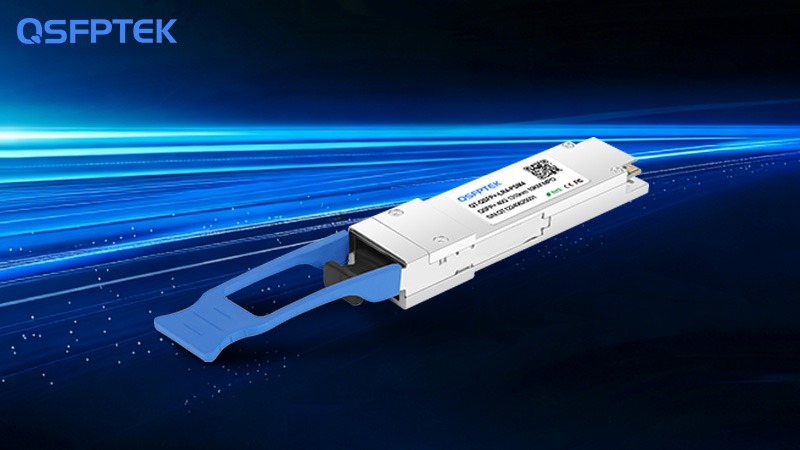
Different types of 40G QSFP+ modules are designed for different transmission distances and cabling infrastructures. Some rely on multimode fiber for short-reach connections, while others use single-mode fiber for longer distances. The 40GBASE-PSM4 optical transceiver belongs to the latter category and is specifically designed for parallel transmission over single-mode fiber. This module operates at the 1310 nm wavelength and uses multiple optical lanes to deliver 40-gigabit data rates over distances of up to 10 kilometers.
Because 40G QSFP+ modules such as PSM4 use a unique parallel transmission architecture, the fiber requirements are different from those of other optical modules that rely on wavelength division multiplexing. Instead of transmitting multiple wavelengths through a single pair of fibers, PSM4 modules use multiple parallel fibers to carry separate optical signals simultaneously. Understanding the type of fiber and cabling structure required for this architecture is essential for building reliable and efficient 40G network links.

Understanding the Transmission Architecture of 40GBASE-PSM4
To understand the fiber requirements of 40GBASE-PSM4 modules, it is important to first look at how the technology works. The PSM4 standard uses a parallel optical architecture that divides the 40-gigabit signal into four independent channels, each operating at approximately 10 Gbps. These channels are transmitted simultaneously through separate optical fibers and then recombined at the receiving end to reconstruct the original high-speed data stream.
This transmission method differs significantly from technologies such as LR4 or ER4, which use wavelength division multiplexing to combine multiple signals onto a single fiber pair. In the case of PSM4, each optical lane requires its own dedicated fiber path, which means multiple fibers must be used to support both transmission and reception. As a result, the cabling structure must be designed to accommodate these parallel channels while maintaining signal integrity across the entire link.
Single-Mode Fiber as the Required Medium
40GBASE-PSM4 optical modules are designed to operate with single-mode fiber. Single-mode fiber is optimized for long-distance optical transmission because it allows light to propagate through a very small core, minimizing signal dispersion and reducing attenuation. These characteristics make it possible for optical signals to travel much farther than they could through multimode fiber while maintaining signal quality.
The use of single-mode fiber allows 40GBASE-PSM4 modules to achieve transmission distances of up to 10 kilometers, which is significantly longer than the reach of many multimode-based 40G solutions. This makes the technology suitable for large data centers, campus networks, and data center interconnection scenarios where long fiber runs may be required. The lower attenuation of single-mode fiber also helps ensure that the optical signal remains strong enough to be detected accurately by the receiver after traveling long distances.
The Role of MTP/MPO Fiber Connectors
In addition to the type of fiber used, the connector format is another important aspect of the fiber infrastructure required for PSM4 modules. Because the technology relies on multiple parallel fibers, it typically uses high-density connectors capable of accommodating several fibers within a single interface. The most common connector type used for 40GBASE-PSM4 modules is the MTP or MPO connector.
These connectors are designed to support multi-fiber connections in a compact form factor, making them suitable for high-density network environments such as data centers. An MTP or MPO connector can contain multiple fiber strands within a single ferrule, allowing several optical channels to be transmitted simultaneously through a single physical connector. This design simplifies cabling and reduces the number of individual connectors required in high-speed network installations.
Fiber Count and Parallel Transmission Requirements
Since the PSM4 standard uses four optical channels for transmission and four channels for reception, the total number of fibers required for a full link is greater than that used in duplex fiber solutions. Typically, eight fibers are required to support the complete parallel communication process. Four fibers carry optical signals from the transmitter to the receiver, while another four fibers carry signals in the opposite direction.
This multi-fiber structure is one of the defining characteristics of parallel optics technologies. While it requires more individual fiber strands than duplex solutions, it enables high data rates without relying on complex wavelength multiplexing technology. As a result, PSM4 modules often provide a more cost-effective solution for medium-to-long-distance 40G links in certain network environments.
Importance of Fiber Quality and Installation
The quality of the fiber infrastructure can significantly influence the performance of a 40GBASE-PSM4 optical link. Even though single-mode fiber is capable of supporting long transmission distances, issues such as poor connector alignment, contaminated fiber end faces, or improper cable routing can introduce signal loss. When multiple fibers are involved in parallel transmission, these issues may affect each optical lane differently, potentially leading to performance inconsistencies.
Proper installation practices are therefore essential for maintaining stable link performance. Ensuring that connectors are clean, fibers are properly aligned, and cable management systems prevent excessive bending can help preserve signal quality across all parallel channels. Regular inspection and maintenance of fiber connections can also reduce the risk of signal degradation over time.
Designing Reliable PSM4 Fiber Links
When designing a fiber link for 40GBASE-PSM4 modules, network engineers must carefully consider both the physical infrastructure and the optical characteristics of the system. The choice of single-mode fiber, the use of appropriate multi-fiber connectors, and the proper routing of fiber cables all contribute to the overall reliability of the network connection.
In addition to physical design considerations, engineers often evaluate the optical power budget and expected attenuation of the fiber path to ensure that the transmitted signal will remain within the acceptable operating range of the receiver. Proper planning during the design stage helps ensure that the network link will function reliably even as the infrastructure ages or environmental conditions change.
Conclusion
40GBASE-PSM4 optical modules require a specific fiber infrastructure designed to support parallel optical transmission. Unlike duplex fiber solutions that rely on wavelength multiplexing, PSM4 technology transmits multiple optical channels simultaneously through separate fibers. This architecture makes single-mode fiber with multi-fiber connectors such as MTP or MPO an essential component of the overall network design.
By using high-quality single-mode fiber and properly designed multi-fiber cabling systems, organizations can build reliable 40G links capable of reaching distances of up to 10 kilometers. Careful attention to fiber quality, connector integrity, and installation practices helps ensure that the parallel optical channels operate efficiently. With the right infrastructure in place, 40GBASE-PSM4 modules provide a powerful solution for high-bandwidth connectivity in modern networking environments.